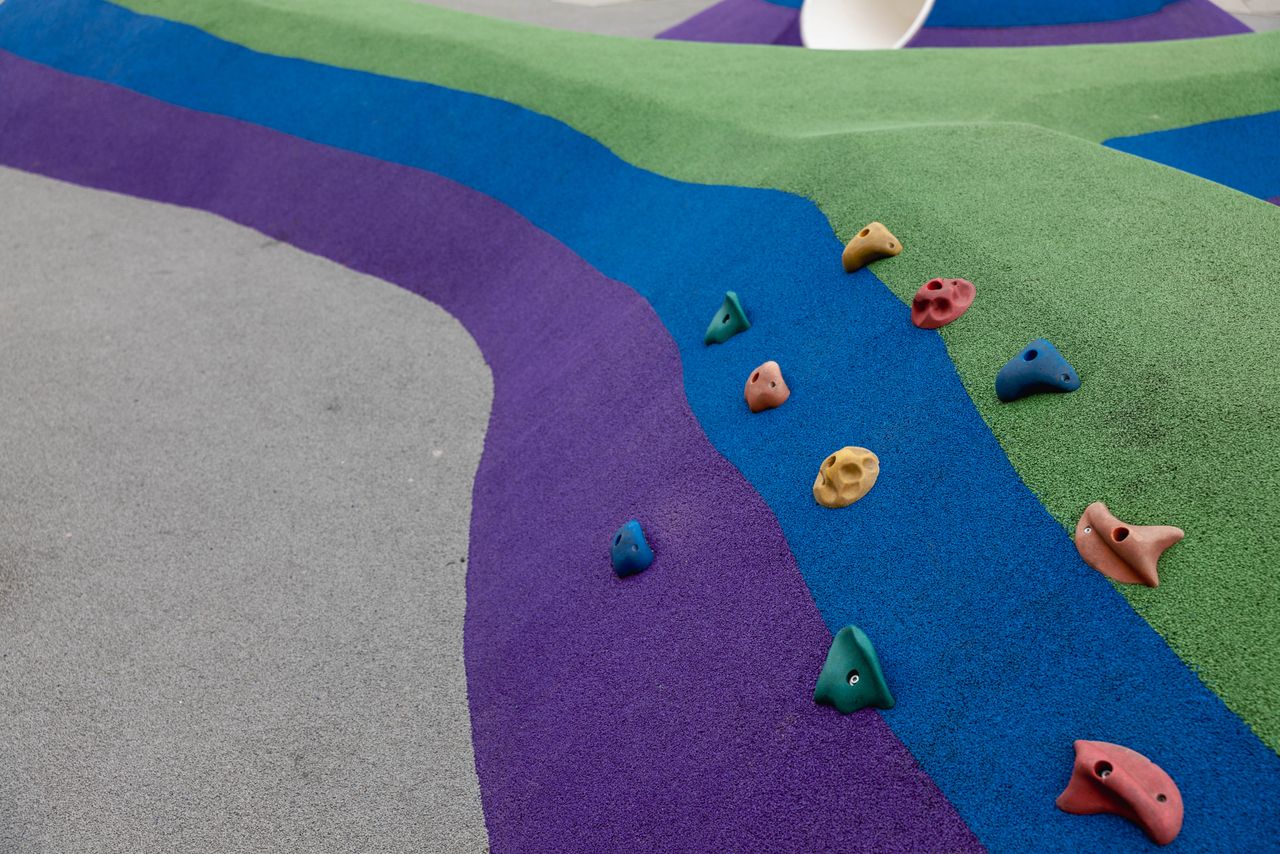
Gross motor skills are the large-muscle abilities a child uses to sit, stand, run, jump, climb, and balance, and core strength is the trunk stability that makes all of them possible. Pediatric occupational therapy builds these foundations because they underlie far more than the playground - a child who cannot hold their body upright steadily cannot sit at a desk, hold a pencil well, or stay focused on a lesson.
Parents often think of core strength as an athletic concern. In a young child, it is a learning concern. The body is the platform everything else is built on, and when that platform is unstable, the effort a child should be spending on the task goes into simply staying upright.
Why does core strength matter for more than sports?
Consider what a classroom asks of a five- or six-year-old. Sit up. Keep your head steady. Hold a pencil and control it across a page. Do all of that for twenty or thirty minutes without sliding out of the chair. Every one of those depends on the trunk muscles holding the body in a stable position so the arms, hands, and eyes are free to work.
When core strength is weak, you see the compensations before you see the cause. A child slumps over the desk, props their head on a hand, wraps their legs around the chair, fidgets constantly, or tires quickly during handwriting and floor activities. Teachers frequently read these as attention problems. Often they are stability problems, and the fix is physical, not behavioral.
How common are motor coordination difficulties?
More common than most families expect. Developmental coordination disorder, a condition in which motor coordination is significantly below what is expected for a child's age and interferes with daily activities or schoolwork, affects an estimated 5 to 6 percent of school-aged children according to a recent systematic review and meta-analysis (Frontiers in Pediatrics, 2024). That is roughly one or two children in a typical classroom. Not every child with gross motor challenges meets that threshold, but the data is a useful reminder that motor difficulty is a real, recognized area - not a child simply being clumsy or lazy.
Gross motor development is one strand of a broader picture, and evaluating it is part of how occupational therapy supports a child's development as a whole, alongside fine motor, sensory, and daily-living skills.
What are the signs of a gross motor or core strength delay?
Every child develops on their own timeline, but patterns worth noticing include a child who:
• Slumps, leans, or "melts" out of a chair rather than sitting upright.
• Avoids climbing, jumping, or playground equipment other kids enjoy.
• Tires quickly and asks to be carried or to sit down often.
• Appears clumsy, trips frequently, or bumps into things.
• Has trouble with skills like catching a ball, riding a bike, or going up stairs with alternating feet.
• Struggles with handwriting stamina, which often traces back to trunk instability.
One or two of these in isolation may be nothing. A cluster of them, especially if a child is visibly working harder than peers to keep up, is worth a professional look.
How does occupational therapy build these skills?
A pediatric occupational therapist starts by assessing where a child's motor development actually stands and how it is affecting daily life, then builds a plan that looks far more like play than exercise. Climbing, animal walks, obstacle courses, therapy-ball work, balance games, and heavy-work activities all build core and gross motor strength while a child thinks they are just playing. The skill is in choosing the right challenge - hard enough to build strength, achievable enough to keep the child motivated.
Our licensed occupational therapists serving Vero Beach, Sebastian, Fort Pierce, and families across Indian River and St. Lucie Counties design these plans around each child's goals and daily routines. Families who want to understand the structure of that work can look at our pediatric occupational therapy services on the Treasure Coast. Where a child is also receiving ABA therapy for behavioral goals, the two teams coordinate, and families often see the gains reinforce one another.
What can families do at home?
The good news is that gross motor development thrives on ordinary, active play - and the Treasure Coast makes that easy year-round. Practical starting points:
1. Get outside and climb. Playgrounds are core-strength gyms. Climbing, hanging, and swinging build trunk stability naturally.
2. Build in heavy work. Carrying groceries, pushing a laden wagon, or animal walks across the yard give muscles the input they need.
3. Play on the floor. Floor play in a propped position strengthens the trunk far more than sitting in a supportive chair.
4. Make chores physical. Wiping a table, watering plants, and helping carry laundry all count.
5. Limit the container time. Long stretches in strollers, seats, and in front of screens are stretches not spent building strength.
Frequently asked questions
What are gross motor skills? Gross motor skills are the large-muscle movements a child uses to sit, stand, walk, run, jump, climb, and balance. They depend on core strength - the stability of the trunk muscles - and they form the foundation for finer skills like handwriting and for sustained sitting and attention.
Why would occupational therapy address core strength instead of physical therapy? Pediatric occupational therapy focuses on the skills a child needs for daily life, including school participation, self-care, and play, and core strength underlies all of them. An occupational therapist targets trunk stability specifically because of how it affects sitting, attention, and hand use, often coordinating with physical therapy when needed.
Could my child's trouble sitting still actually be a strength problem? Very often, yes. Slumping, fidgeting, propping the head, and wrapping legs around a chair are common signs of weak core stability rather than an attention problem. A child working hard to stay upright has less capacity left for the task in front of them.
At what age should gross motor concerns be evaluated? There is no single cutoff. If a child is consistently behind peers, avoids physical play, tires quickly, or seems to work unusually hard to keep up, an evaluation is reasonable. Earlier support is generally easier and more effective than waiting.
Can we build these skills at home, or is therapy necessary? Active outdoor play, climbing, and heavy-work activities help every child and are worth doing regardless. When a delay is significant or affecting school and daily life, occupational therapy provides an individualized plan and the right level of challenge to make faster, lasting progress.
Talk to our team about your child's foundation
If your child struggles to sit still, tires quickly, or seems to work harder than peers just to keep up, the cause may be physical - and it is addressable. Contact Vero Pediatric Therapy Services to schedule an occupational therapy evaluation and talk through a plan built around your child.
About the authors
Vero Pediatric Therapy Services is a private-pay, family-centered pediatric therapy practice serving families across the Treasure Coast, including Vero Beach, Sebastian, and Fort Pierce in Indian River and St. Lucie Counties, Florida. Our clinical team includes licensed pediatric Occupational Therapists and BCBA-supervised ABA professionals who deliver evidence-based care built around each child's goals and each family's daily life. We believe therapy should work where children actually live, in classrooms, kitchens, and playgrounds, and we build our plans accordingly.