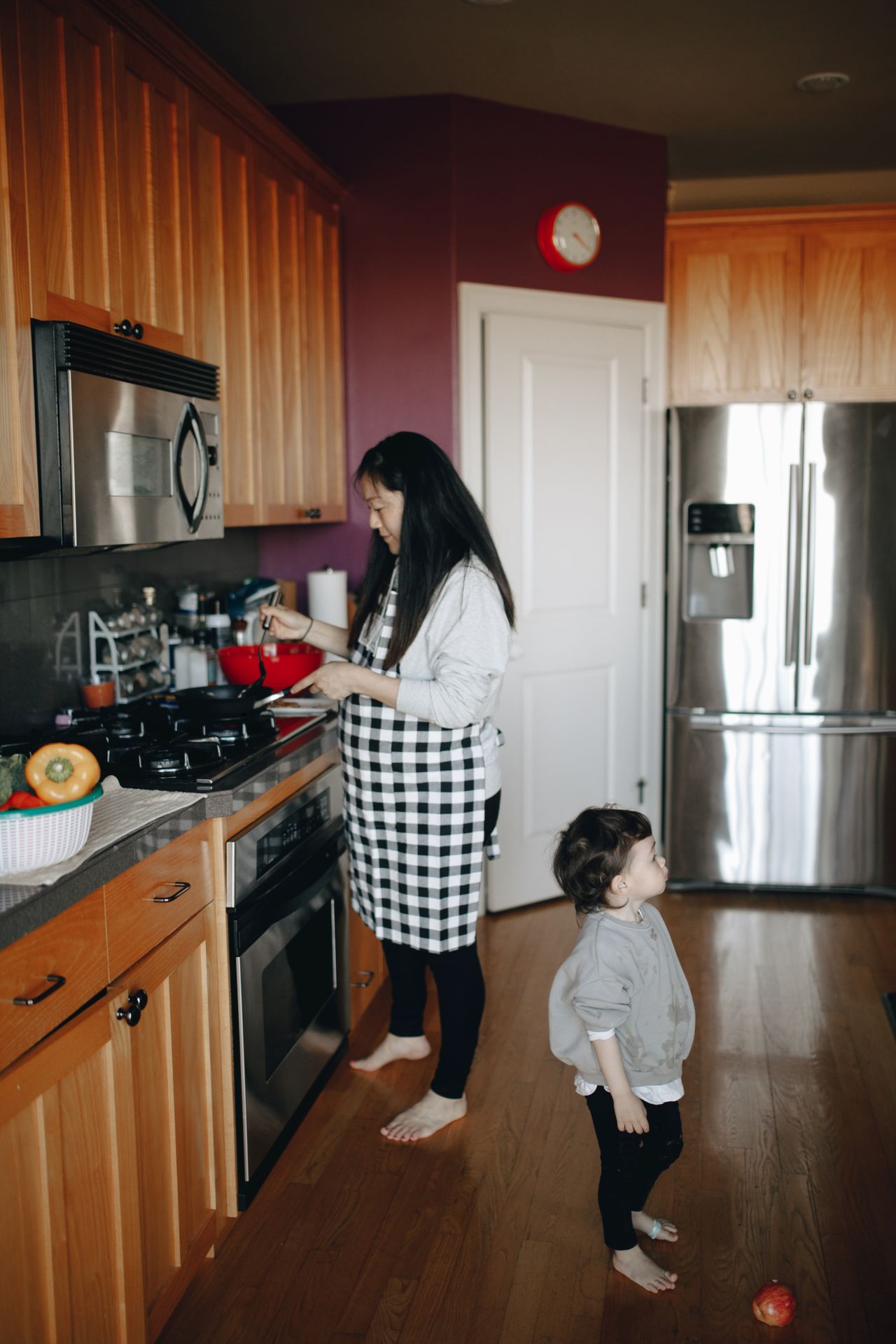
Speech-track parent coaching is a structured way for a licensed Speech-Language Pathologist to teach caregivers specific language-building strategies and then support them as they use those strategies in daily routines such as meals, play, bath time, and car rides. The child's language grows in the hours between sessions because the adults who spend the most time with the child have learned how to help.
Families across Vero Beach, Sebastian, and Fort Pierce often ask us what they can do the other 167 hours of the week. In our Parent Coaching program, the Speech track is our answer.
What is the Speech track of Parent Coaching?
Our Parent Coaching program is a structured six-month model with three tracks: OT, ABA, and Speech. On the Speech track, a licensed SLP coaches you to support your child's understanding and use of language in the routines you already have. The aim is not to turn you into a therapist. It is to help you notice the moments when your child is ready to communicate and respond in a way that moves language forward.
Coaching is different from a handout or a home-practice list. You learn a strategy, watch it modeled, try it with your child, and get feedback in real time. If you want the full picture of how the six-month coaching arc works, our earlier article walks through it from the first routine to independent problem-solving.
Does coaching parents actually help children's language?
The research is encouraging. A meta-analysis of 18 studies in the American Journal of Speech-Language Pathology found that parent-implemented language interventions had a significant, positive effect on both receptive and expressive language in young children with language impairments, aged 18 to 60 months (Roberts and Kaiser, AJSLP, 2011). Effect sizes varied by outcome, so results differ from child to child.
Ann Kaiser and Megan Roberts of Vanderbilt University describe the coaching approach that supports this work: the therapist models a strategy, the parent practices it with the child while receiving praise and constructive feedback, and the two review how the parent's strategy use connected to the child's responses (Kaiser and Roberts, 2013). Their work also reports that parents learned the strategies in the clinic and carried them into home interactions.
What strategies do parents learn?
Speech-track strategies are small and practical. They are built around your child's interests, not a drill. Common ones include:
1. Follow your child's lead. Join what your child is already looking at or playing with.
2. Take balanced turns. Wait for your child to communicate, then respond once, so the conversation goes back and forth.
3. Mirror and map. Copy what your child does and put words to it, such as "You are pouring."
4. Model and expand. If your child says "juice," you say "more juice, please," adding a little more than they said.
5. Arrange the setting. Offer choices, or place a favorite item in sight but out of reach, to invite a request.
6. Use gentle prompts. Ask open questions or offer a choice before saying "say it."
Each strategy is introduced one at a time. You and your coach agree on what you will try before the next visit.
How does it work in real routines?
This is where the Speech track earns its place. Language does not happen only at a table with flashcards. It happens in the moments you already share.
|
Routine |
Strategy in action |
What your child practices |
|
Breakfast |
Offer a choice between two cereals and wait |
Choosing, requesting |
|
Car ride |
Name what you both see and pause for a turn |
Vocabulary, turn-taking |
|
Bath time |
Mirror and map actions with short phrases |
Action words, sentence length |
|
Grocery trip |
Let your child hold an item and talk about it |
Naming, labeling |
|
Bedtime |
Expand on your child's words at the end of the day |
Sentences, sequencing |
In each case, your coach helps you choose one routine to start, practice it with support, and then add more as you gain confidence. Choosing one routine at a time keeps the plan realistic for busy Treasure Coast families.
What does a coaching session look like?
A typical session has a rhythm. You and your coach look at what happened since the last visit and what felt hard. The coach explains the next strategy and models it with your child during a routine you picked. You then try it while the coach watches, encourages you, and offers adjustments. Before you leave, you set a small goal for the week.
Coaching also works alongside direct therapy. A child who sees an SLP for speech sound or language work can have caregivers practicing the same targets at home, so what is learned in the clinic shows up in daily life. Because we are a multidisciplinary practice, your coach can also share ideas with your child's OT or ABA team when that helps.
How do families get started?
Start with a conversation about your child's communication and your family's routines. If you are curious about our structured Parent Coaching program, the program page explains the six-month structure and the three tracks. Our practice is also an approved provider for the Family Empowerment Scholarship for Students with Unique Abilities through Step Up For Students. Eligibility is determined by that program, so ask Step Up For Students about your child's situation.
Frequently asked questions
What is parent coaching for speech and language? It is a structured program where a licensed Speech-Language Pathologist teaches you specific strategies and supports you as you use them in daily routines. The goal is to help your child practice language in the moments that matter most.
Does parent coaching replace speech therapy? Not necessarily. For some children, coaching complements direct therapy, and for others it is the main approach. Your child's team will recommend what fits.
How long does the Speech track take? Parent Coaching is a six-month program. Over that time, families usually move from working on one routine to using strategies across the day.
Do I need experience to do this? No. Your coach introduces one strategy at a time, models it, and gives feedback while you practice. Most parents find the strategies fit naturally into what they already do.
Is parent coaching only for children with delays? It is designed for families who want to support their child's communication. A conversation with our team can help you decide if the Speech track is a good fit.
Talk with our team
If you would like to learn how the Speech track of Parent Coaching could work in your family's routines, contact Vero Pediatric Therapy Services to talk with our team.
About the authors
The Vero Pediatric Therapy Services Clinical Team is made up of licensed Occupational Therapists, BCBA-supervised ABA professionals, and licensed Speech-Language Pathologists serving families across Vero Beach, Sebastian, and Fort Pierce, FL, in Indian River and St. Lucie Counties on the Treasure Coast. We provide private-pay, family-centered, evidence-based pediatric therapy, along with a structured Parent Coaching program. Contact us at verotherapyservices.com/contact-us.